

ROP Retinopathy of Prematurity
ROP is an eye problem in babies born early or small. The blood vessels of the retina have not finished growing, and in some babies they grow the wrong way. It cannot be seen from outside, so babies at risk need eye screening by an eye doctor in the first weeks of life.
Born before 34 weeks, or under 2 kg? Ask your baby's doctor when the eye screening is due, then call us to book it. Please do not miss the date.
- First screening within the first month
- Treatment, when needed, is urgent
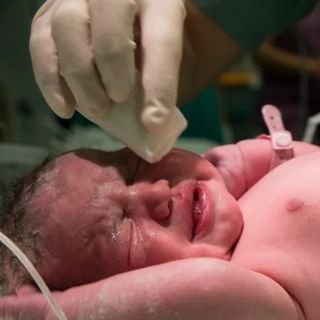
What is ROP?
In the womb, the blood vessels of the retina grow slowly, and finish close to the due date. When a baby is born early, this growth is not complete. In some babies the vessels then grow abnormally. This is retinopathy of prematurity.
Mild ROP often settles by itself as the baby grows. Severe ROP can pull the retina away and cause blindness. There are no outward signs, and a baby cannot tell you, so the only way to find it is a screening by an eye doctor.
When ROP needs treatment, it has to be done quickly, usually within two to three days of being found. Treated in time, most babies keep their sight.
Which babies need screening
- Born before 34 weeks of pregnancy
- Weighed less than 2,000 g (2 kg) at birth
- Bigger babies who had a difficult stay in the newborn unit (NICU), for example long oxygen treatment, a serious infection or breathing problems
The first screening is due within the first month after birth, and sooner for babies born very early or very small. Your baby's doctor will give you the date.
What parents may notice
-
Usually nothing
ROP cannot be seen from outside in its early stages. Screening is the only way to find it.
-
A white pupil
In very advanced ROP the pupil can look white. This needs urgent attention.
-
Not following faces or lights
By about three months after the due date, babies should look at faces and follow them.
-
Eyes that wander or shake
Later on, poor sight can show as a squint or wobbly eye movements.
How babies are checked
-
Eye screening
After drops widen the pupils, the eye doctor looks at the retina with a head-mounted light and a hand lens. A tiny clip keeps the eyelids open. It takes a few minutes for each eye.
-
Repeat screening
Depending on what is found, the check is repeated every one to two weeks until the vessels finish growing.
-
Eye checks in childhood
Babies born early have a higher chance of squint, lazy eye and high glasses power, so their eyes are checked as they grow.
Treatment options
-
Mild ROP
Watching closely
Most mild ROP settles on its own. The baby is screened again regularly until the retina has finished developing.
-
ROP that needs treatment
Laser treatment
Laser is applied to the outer retina, where vessels have not grown, so the abnormal vessels stop growing. It is done with the baby under anaesthesia or sedation.
-
Some severe ROP
Injection into the eye
A medicine (anti-VEGF) injected into the eye stops the abnormal growth. Babies treated this way need a longer period of follow-up.
-
Detached retina
Surgery
In advanced ROP, an operation may be needed to put the retina back in place.
Ayushman card and insurance
All three branches accept the Ayushman card (PM-JAY), and cashless treatment works with most insurance TPAs. Call the branch to check what is covered for your treatment.
The screening visit
-
Before the check
Drops to widen the pupils go in about an hour before. The nurse or doctor will tell you about feeding before the check.
-
The screening
Numbing drops, a small clip to hold the eyelids open, and a few minutes of looking with a bright light. Babies often cry, but it does not harm the eye.
-
Afterwards
The eyelids may look puffy and red for a few hours. Your baby can feed, and go home or back to the newborn unit as usual.
-
The next date
You are told the result and the date of the next check. Please keep it, even if your baby has gone home.
After screening or treatment
What helps
- Keep every screening date. Missing one can mean missing the time when treatment works.
- If your baby leaves hospital before screening is finished, ask for the next date and place before you go.
- After treatment, use any drops exactly as prescribed.
- Have your child's eyes checked regularly through childhood, even after ROP has settled.
Call the branch if
- The eyes become very red, swollen or sticky after treatment
- You notice a white pupil, or the eyes do not seem to follow you
- You miss a screening date. Call to book again straight away.
Doctors who treat ROP
Each doctor's profile lists their training and the days they see patients at each branch.
Questions people ask
Does my baby need screening if the eyes look normal?
Yes. ROP cannot be seen from outside. Babies with severe ROP can have eyes that look completely normal.
Is the screening painful?
It is uncomfortable and most babies cry, but numbing drops are used, and it takes only a few minutes. It does not harm the eyes.
When can screening stop?
When the eye doctor sees that the blood vessels have grown fully to the edge of the retina, or that ROP has settled. This is usually some weeks after the original due date.
Will my baby need glasses?
Some babies born early need glasses later, even without ROP. Regular eye checks in childhood will find this.
Our baby has already gone home. What now?
Call the branch to book the screening, and bring the discharge papers. If you are not sure when it is due, ask your baby's doctor.
This page explains ROP in general terms. The doctor who examines you will tell you what suits your eyes. Some procedures are done at one branch only, so the branch will tell you where yours takes place.
Questions about ROP?
Leave a number, we will call you
Tell us a little about the problem and which branch suits you. Someone from that branch will call you back. Email is optional.
Prefer to talk now? Call a branch directly.