

Glaucoma काला मोतिया
Glaucoma slowly damages the optic nerve, the cable that carries sight from the eye to the brain. It is often linked to high pressure inside the eye. There are usually no early signs, and lost sight cannot be brought back, so regular checks and steady treatment protect the sight you have.
- Check from age 40, earlier if it runs in the family
- Drops, laser or surgery
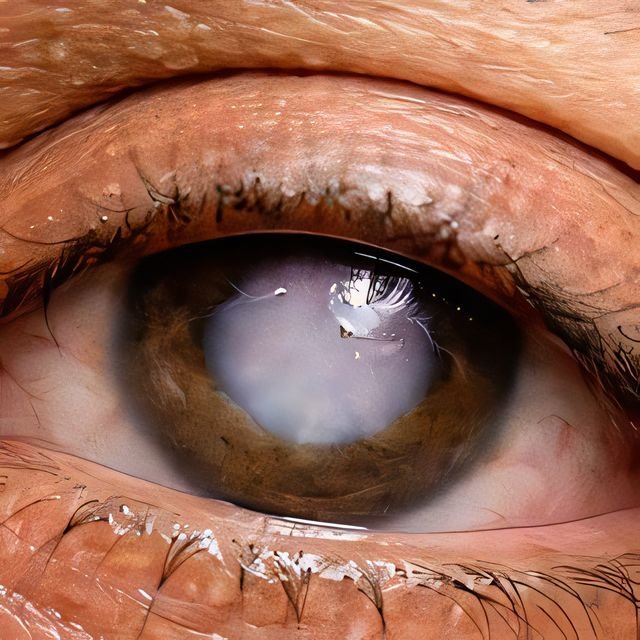
What is glaucoma?
Your eye is filled with a clear fluid that is made and drained all the time. If it drains too slowly, the pressure inside the eye rises and presses on the optic nerve. Over months and years the nerve fibres die, and the edges of your vision fade first.
Because the centre of vision stays sharp until late, most people notice nothing until a large part of their sight is gone. Glaucoma can also damage the nerve when the eye pressure is normal.
There are two main types. In open angle glaucoma, the drain slowly clogs and there is no pain. In angle closure glaucoma, the drain is narrow and can block suddenly, causing a painful red eye that needs treatment the same day.
More likely with
- Age over 40
- Glaucoma in a parent, brother or sister
- High eye pressure
- Diabetes, high or low blood pressure, or thyroid disease
- High minus or high plus glasses power
- An eye injury or earlier eye surgery
- Long use of steroid drops, tablets or creams
Signs to watch for
-
Usually nothing at first
Open angle glaucoma gives no pain and no early warning. Only an eye check can find it.
-
Side vision fading
Bumping into things, missing a step, or not seeing someone standing beside you.
-
Rainbow halos around lights
Coloured rings around bulbs, especially at night.
-
Eye ache or headache
Especially in the evening or after time in a dark room, in people whose drain is narrow.
Same day
Come the same day if you have
- Sudden, severe eye pain with a red eye
- Blurred sight with halos around lights
- Headache, nausea or vomiting along with the eye pain
This can be an attack of angle closure glaucoma. The pressure has to be brought down within hours to save the sight.
Call Patna branch nowHow it can look
Our Patna branch, as it may look to someone with this problem. Drag the handle to compare.

How we check
-
Eye pressure (tonometry)
A painless measurement, after numbing drops or with a puff of air.
-
Gonioscopy
A special lens on the numbed eye shows whether the drain is open or narrow.
-
Optic nerve check
Drops widen the pupil, and the doctor looks at the nerve for signs of damage.
-
Visual field test
You press a button each time you see a small light. It maps your side vision, and repeating it shows whether glaucoma is getting worse.
-
OCT scan
A quick, painless scan that measures the layer of nerve fibres, and can show thinning before you notice any change.
Treatment options
-
First treatment for most people
Eye drops
One or more drops a day lower the pressure. They only work while you use them, so for most people they are for life.
-
Narrow drains, and some open angle glaucoma
Laser
A laser makes a tiny opening in the iris (iridotomy) to open a narrow drain, or treats the drain itself (trabeculoplasty) so fluid flows out better. It takes a few minutes in the clinic.
-
When drops and laser are not enough
Glaucoma surgery
Trabeculectomy makes a new drain for the fluid. Other operations use a small drainage tube, or newer, gentler methods (MIGS), sometimes together with cataract surgery.
Ayushman card and insurance
All three branches accept the Ayushman card (PM-JAY), and cashless treatment works with most insurance TPAs. Call the branch to check what is covered for your treatment.
A glaucoma check, step by step
-
Your history
Your age, family history, other illnesses, and every medicine you take, including steroids.
-
Pressure and drain
The eye pressure is measured, and the drain is checked with a special lens.
-
Nerve and field
Drops widen the pupil for the nerve check. A visual field test and an OCT scan may be done the same day or on another visit.
-
Your plan
If you have glaucoma, you start treatment with a target pressure. Follow-up is usually every few months, and the tests are repeated to make sure the damage is not growing.
Living with glaucoma
What helps
- Use your drops at the same time every day. A phone reminder helps.
- Do not stop the drops when the bottle runs out or the eye feels fine. Glaucoma does not hurt, even when it is getting worse.
- After each drop, close the eye and press gently on the inner corner for a minute. More of the medicine stays in the eye.
- If you use two different drops, wait five minutes between them.
- Keep every follow-up visit, even when you feel well.
- Ask your brothers, sisters and children to have their eyes checked.
Call the branch if
- A drop makes your eye very red, itchy or swollen
- You get sudden pain, redness or halos
- You feel breathless or your heartbeat slows after starting a new drop. Some glaucoma drops can affect people with asthma or heart problems.
Doctors who treat glaucoma
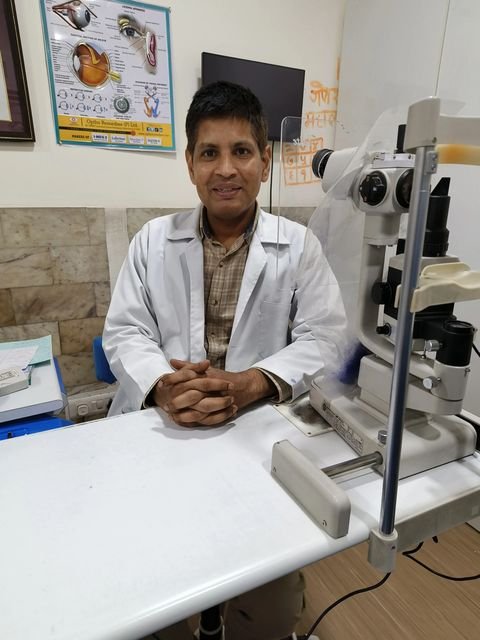
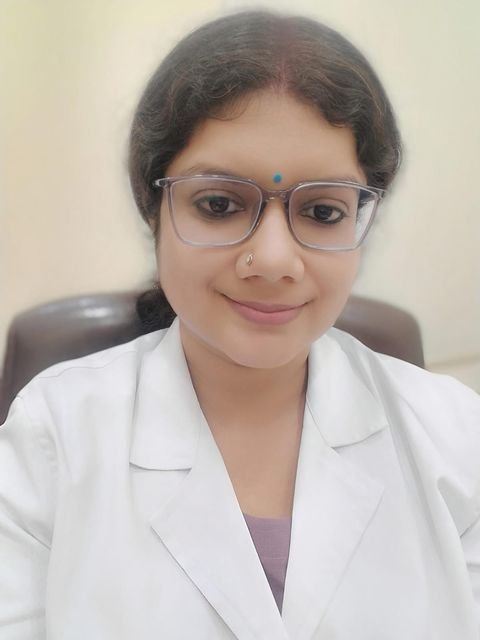
Each doctor's profile lists their training and the days they see patients at each branch.
-
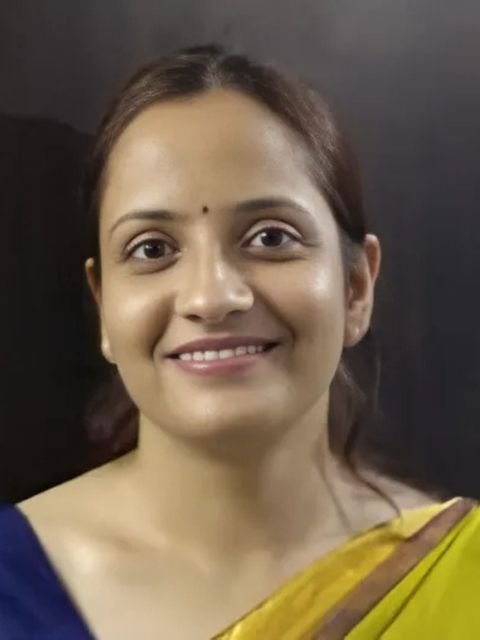
Director
Dr. Reetika Sharma
Cataract, glaucoma and refractive surgery
- Patna Mon to Thu, Sat
- Hajipur Fri
-
-
Questions people ask
Can sight lost to glaucoma come back?
No. Treatment cannot repair the nerve, but it can stop or slow further damage. That is why finding glaucoma early matters so much.
Is glaucoma the same as cataract?
No, although people often mix them up. A cataract is a cloudy lens that surgery can fix. Glaucoma is damage to the nerve, which can be controlled but not reversed.
How often should I get checked?
Everyone over 40 should have a glaucoma check as part of an eye check-up. If glaucoma runs in your family, start earlier and repeat it as the doctor advises, often every year.
Will I need drops for life?
Most people do. Some people with a narrow drain are treated with laser alone, and surgery can reduce or end the need for drops in others.
Can glaucoma cause blindness?
Without treatment, it can. With regular treatment and check-ups, most people keep useful sight for life.
This page explains glaucoma in general terms. The doctor who examines you will tell you what suits your eyes. Some procedures are done at one branch only, so the branch will tell you where yours takes place.
Questions about glaucoma?
Leave a number, we will call you
Tell us a little about the problem and which branch suits you. Someone from that branch will call you back. Email is optional.
Prefer to talk now? Call a branch directly.