

Cataract मोतियाबिंद
A cataract is when the clear lens inside your eye turns cloudy. It comes on slowly, usually with age. A short operation replaces the cloudy lens with a clear artificial one, and most people go home the same day.
- Day care: most people go home the same day
- Stitchless, small cut surgery
- Lens choices explained before the day
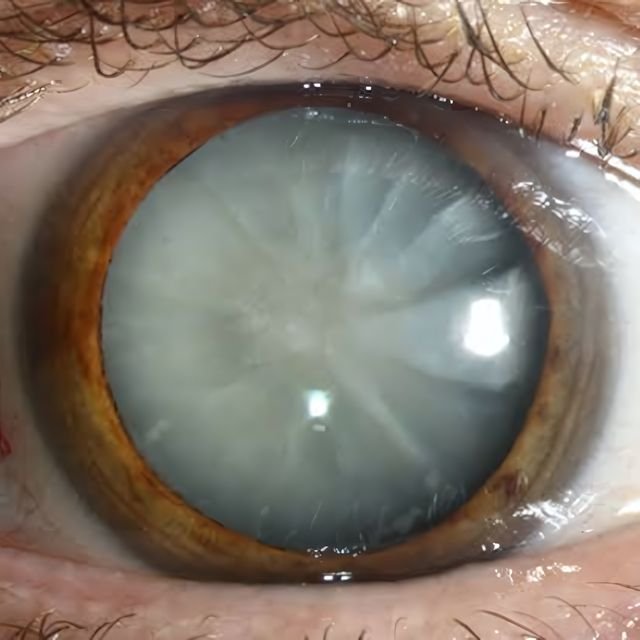
What is a cataract?
Behind the coloured part of your eye sits a small, clear lens. It focuses light onto the retina at the back of the eye, a little like the lens of a camera. With a cataract, this lens slowly turns cloudy, so everything you see becomes dull and blurred.
Most cataracts come with age, and nearly everyone has some clouding after 60. They can also come earlier: after an eye injury, with diabetes, after long use of steroid medicines, and rarely from birth.
Glasses help for a while, but they cannot clear a cloudy lens. The only cure is an operation, and there is no need to wait for the cataract to become "ripe". The right time is when it starts to make everyday life harder: reading, cooking, recognising faces or going out after dark.
More likely with
- Age, especially after 60
- Diabetes
- An earlier injury to the eye
- Long use of steroid tablets, drops or inhalers
- Smoking
- Years of strong sunlight without eye protection
Signs to watch for
-
Blurred or dull vision
As if you are looking through a dirty or misted window. Colours look faded or yellowish.
-
Glare from lights
Headlights, the sun or a bulb seem too bright, or have a halo around them.
-
Trouble at night
Seeing in dim light, or walking and driving after dark, becomes harder.
-
Glasses that keep changing
You need a new power often, or you suddenly read better without your reading glasses.
-
Double vision in one eye
You see two of something even with the other eye closed.
-
A white or grey pupil
In a late cataract the black centre of the eye can look milky. In a child, a white pupil needs an eye check soon.
How it can look
Our Patna branch, as it may look to someone with this problem. Drag the handle to compare.

How we check
-
Vision test
Reading letters on a chart, one eye at a time, with and without glasses.
-
Slit lamp examination
The doctor looks at the lens through a microscope with a thin beam of light. This shows how cloudy it is.
-
Retina check with drops
Drops widen the pupil so the doctor can check the retina and the optic nerve. The drops blur your sight for a few hours.
-
Eye pressure test
A quick, painless test for glaucoma, which can be present alongside a cataract.
-
Lens measurements
If you decide on surgery, a scan measures the length and curve of your eye to work out the power of the new lens.
Treatment options
-
Early cataract
Glasses, for now
In the early stage, a new glasses power and brighter lighting can keep you comfortable for a while.
-
Most cataracts
Phaco surgery
Phacoemulsification. The cloudy lens is broken up with ultrasound and removed through a tiny cut that usually needs no stitches. A folded artificial lens (IOL) is placed where it was.
-
Hard or advanced cataracts
SICS
Small incision cataract surgery. The lens is removed whole through a slightly larger cut that seals itself. It works well for very hard cataracts.
Choosing your new lens
Before the day, the doctor explains which lens suits your eyes, your work and your budget.
- MonofocalClear for distance. Most people wear glasses for reading afterwards.
- ToricAlso corrects cylinder power (astigmatism), for sharper sight without thick glasses.
- Multifocal, trifocal and EDOFPremium lenses that cover distance and near or middle distance, so you depend less on glasses. They do not suit every eye.
Ayushman card and insurance
All three branches accept the Ayushman card (PM-JAY), and cashless treatment works with most insurance TPAs. Call the branch to check what is covered for your treatment.
On the day of surgery
-
Before the day
Your sugar and blood pressure are checked, the lens power is measured, and you are told which medicines to take or stop. Tell the doctor if you take blood thinners.
-
When you arrive
Come with a family member, and follow what you were told about food and medicines. Drops widen the pupil and numb the eye.
-
The operation
It usually takes 15 to 30 minutes. You lie down and stay awake, and should feel no pain. You may see light and movement, but not the instruments.
-
Going home
After a short rest, most people go home the same day, with a shield over the eye and a set of drops.
-
The next day
A quick check of the eye, then follow-up visits over the next few weeks.
After surgery
What helps
- Use the drops exactly as prescribed, usually for four to six weeks.
- Wear the shield while sleeping for about a week, and do not rub or press the eye.
- Keep water, soap and dust out of the eye for one to two weeks. Wipe your face with a clean, damp cloth instead.
- Avoid bending low and lifting heavy things for the first week.
- Reading, watching TV and walking are fine from the first day.
- Have your glasses power checked after about a month, once the eye has settled.
Call the branch if
- Pain gets worse instead of better
- Your sight drops after first getting better
- The eye becomes more red, sticky or swollen
- You see a shadow, flashes or many new floaters
Doctors who treat cataract
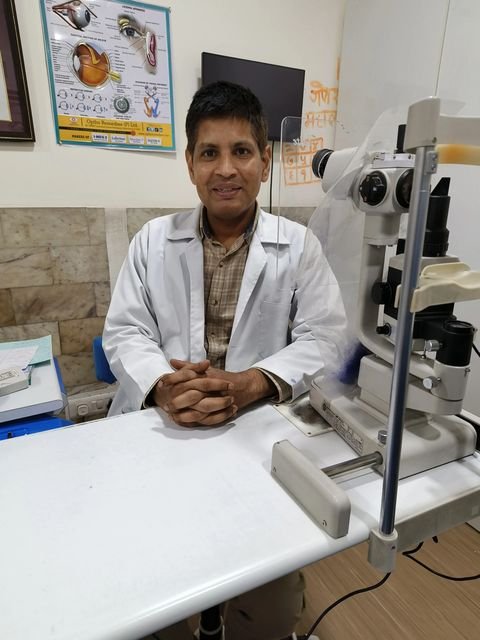
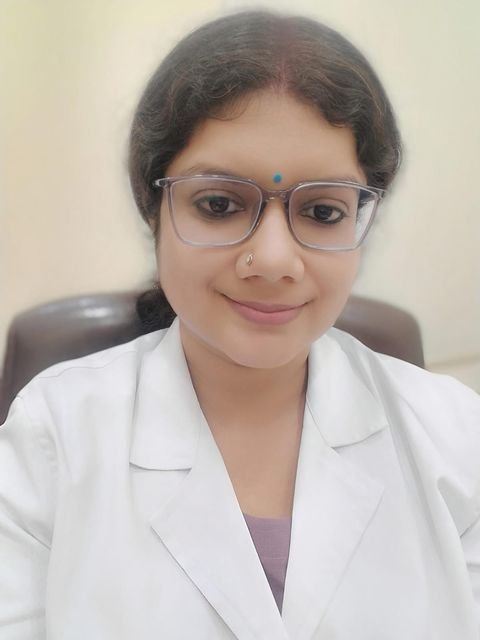
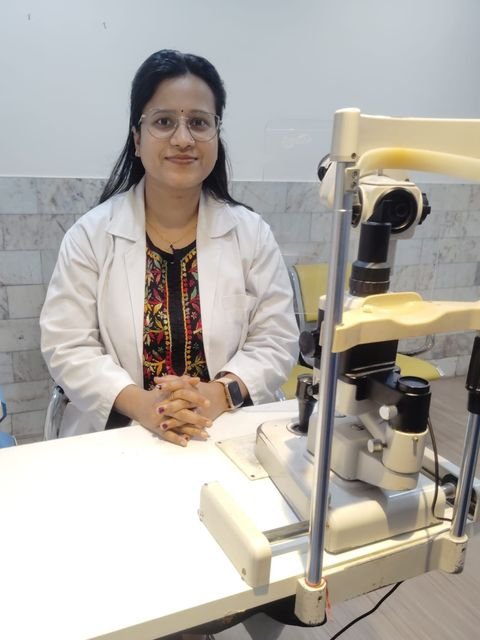
Each doctor's profile lists their training and the days they see patients at each branch.
-

Director
Dr. Reetika Sharma
Cataract, glaucoma and refractive surgery
- Patna Mon to Thu, Sat
- Hajipur Fri
-
-

-

-
-

-
Questions people ask
Does cataract surgery hurt?
No. The eye is numbed with drops or a small injection, so most people feel only light pressure. The eye may feel gritty for a day or two afterwards.
Do I need to wait for the cataract to ripen?
No. Modern surgery works best before a cataract becomes very hard. The right time is when it starts to affect your daily life.
Will I need glasses afterwards?
With a standard monofocal lens, most people see well at a distance and wear glasses for reading. Toric and multifocal lenses can reduce the need for glasses. The doctor will explain what to expect for your eyes.
Can both eyes be done on the same day?
Usually one eye is done first, and the second a few weeks later, once the first has settled.
Can a cataract come back?
No. The cloudy lens is removed for good. In some people the thin layer behind the new lens turns hazy months or years later. This is cleared with a quick, painless laser treatment (YAG laser) in the clinic.
Can I have surgery if I have diabetes?
Yes, as long as your sugar is under control. The retina is checked before surgery, because diabetes can affect it too.
This page explains cataract in general terms. The doctor who examines you will tell you what suits your eyes. Some procedures are done at one branch only, so the branch will tell you where yours takes place.
Questions about cataract?
Leave a number, we will call you
Tell us a little about the problem and which branch suits you. Someone from that branch will call you back. Email is optional.
Prefer to talk now? Call a branch directly.