ROP
- Home
- ROP

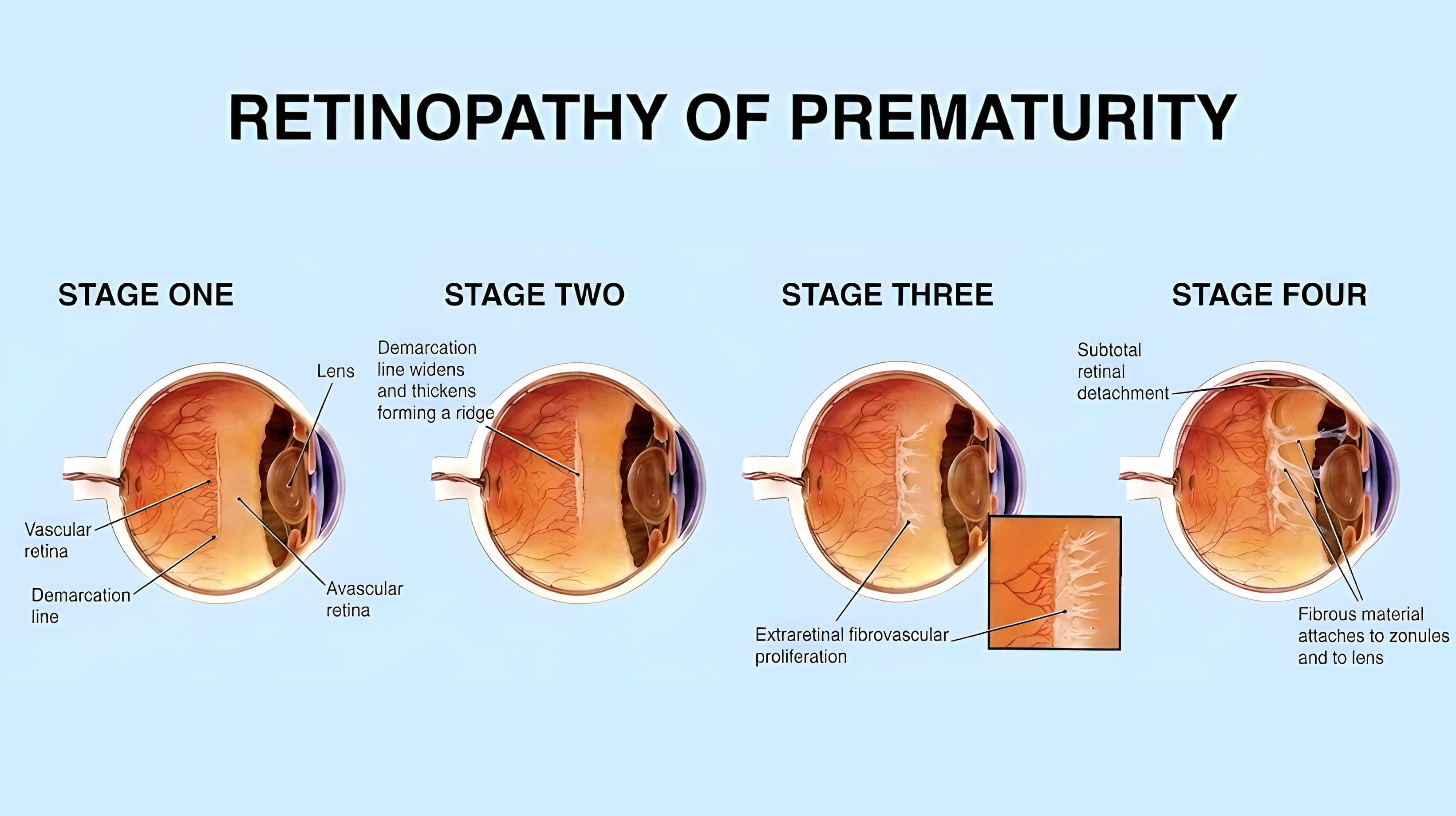
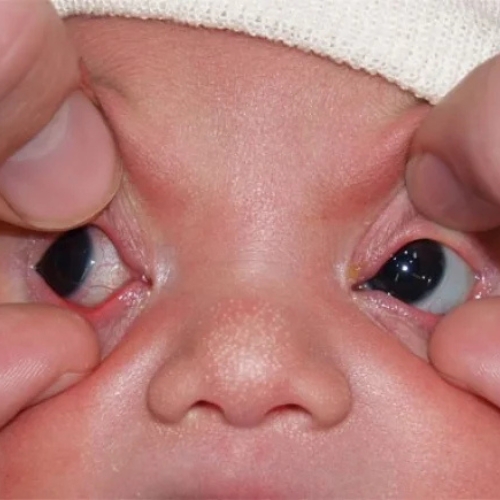




Observation. In mild cases of Retinopathy of Prematurity (ROP), where the condition is expected to resolve on its own, careful and regular monitoring of the infant’s eyes is strongly recommended. During follow-up visits, ophthalmologists thoroughly examine the retina, assess the overall eye health, and keep a close watch on the progression of ROP to ensure that any changes are detected early and appropriate treatment can be provided if necessary.

Laser Photocoagulation. For infants with more advanced stages of Retinopathy of Prematurity (ROP), laser therapy is often the preferred treatment option. This procedure uses a precisely focused laser beam to create tiny, carefully placed burns on the peripheral areas of the retina. These burns work by slowing or stopping the abnormal growth of blood vessels, stabilizing the retinal tissue, and significantly reducing the risk of serious complications such as retinal detachment, thereby helping to preserve the baby’s vision.

Anti-VEGF Injections. In certain cases of Retinopathy of Prematurity (ROP), ophthalmologists may recommend anti-vascular endothelial growth factor (anti-VEGF) therapy. These specialized medications are gently injected into the eye to block or slow the growth of abnormal blood vessels inside the retina. By controlling this abnormal vascular development, anti-VEGF injections help lower the risk of complications such as bleeding or retinal detachment, while giving the eye a better chance to develop healthy vision.
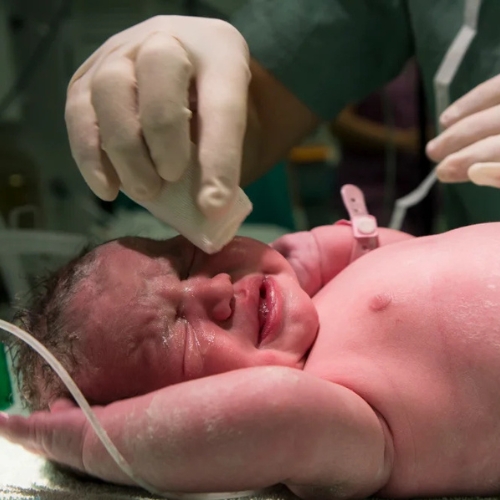
Vitrectomy. In very severe cases of Retinopathy of Prematurity (ROP), where extensive retinal detachment or dense scar tissue has developed, a surgical procedure called vitrectomy may be required. During this advanced surgery, the eye’s vitreous gel — the clear, jelly-like substance that fills the center of the eye — is carefully removed so the surgeon can gain access to the retina. The retina is then gently reattached or repaired, and, if necessary, a special fluid or gas may be placed inside the eye to hold the retina in position while it heals, helping to preserve as much vision as possible.
Sarvdrishti Eye Hospital Pvt Ltd is a Bihar based chain of Super speciality eye hospitals serving in three cities of Bihar. It was established in 2018 with the mission of providing (Affordable & Excellent Eye Care) to the whole population of Bihar.