banner img

Diabetic Retinopathy

  • Home
  • Diabetic Retinopathy

Diabetic Retinopathy

Retinal detachment is a serious eye condition where the retina – the light-sensitive tissue at the back of the eye – gets separated from its natural position. Since the retina is responsible for sending visual signals to the brain, this separation can cause blurred vision, flashes of light, or even permanent vision loss if not treated on time.

At Sarvdrishti Eye Hospital our experienced retina specialists provide advanced diagnostics and surgical treatment for retinal detachment, helping restore and protect your eyesight.

Symptoms

If you have Diabetic Retinopathy, you may observe

Floaters in Vision

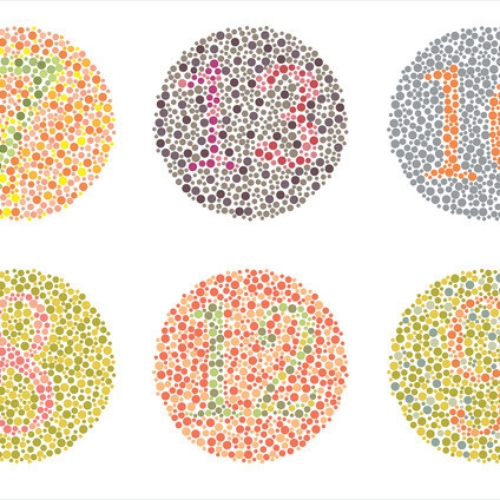
Impaired Color Vision

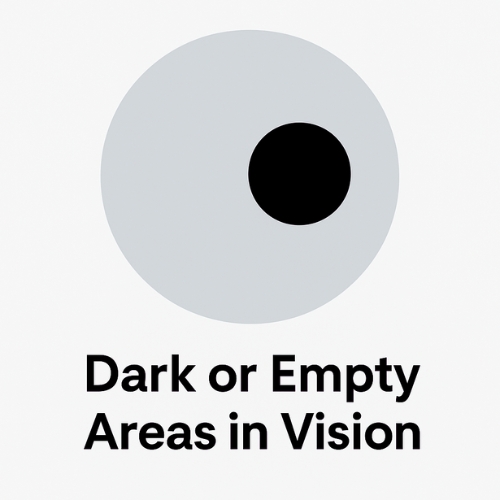
Dark vision spots

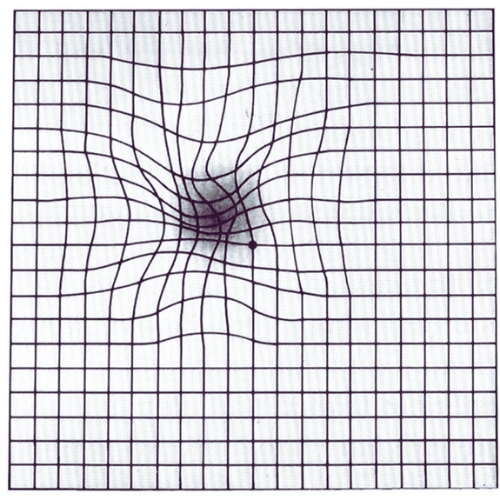
Vision Loss & distortion

Prevention

Regular eye checkups, healthy blood sugar and blood pressure management, and early vision problem resolution, however, can help prevent serious vision loss.

  • track the level of your blood sugar If you're sick or under stress, you might need to check and record your blood sugar level more frequently than once a day. How frequently should you have blood tests? Ask your physician.
  • Inquire with your doctor about a test for glycosylated haemoglobin The haemoglobin A1C test, also known as the glycosylated haemoglobin test, measures your average blood sugar level throughout the two to three months prior to the test. The A1C target for the majority of diabetes sufferers is 7% or less.
  • Keep your cholesterol and blood pressure under control. Losing excess weight, maintaining a balanced diet, and exercising frequently can assist. Occasionally, medication is also required.
  • Ask your doctor for assistance in quitting if you smoke or use other tobacco products. Smoking raises your risk of developing diabetic retinopathy and other problems.
  • Watch for alterations in your vision. In the event that your vision suddenly changes or becomes cloudy, splotchy, or blurry, call your eye doctor right away.

Vision screenings use inadequate testing equipment.

Symptoms may include blurred vision, floaters, fluctuating vision, or even sudden vision loss in advanced cases. Regular eye exams are crucial for detecting and monitoring diabetic retinopathy. Treatment options include managing diabetes through proper blood sugar control, laser treatment to seal leaking blood vessels, medication injections to inhibit abnormal vessel growth, and, in severe cases, surgery.

Prevention and early detection are key in managing diabetic retinopathy. Maintaining good blood sugar control, managing blood pressure and cholesterol levels, and scheduling regular comprehensive eye exams are essential for individuals with diabetes to minimize the risk of vision loss associated with this condition.

Treatments for advanced Diabetic Retinopathy

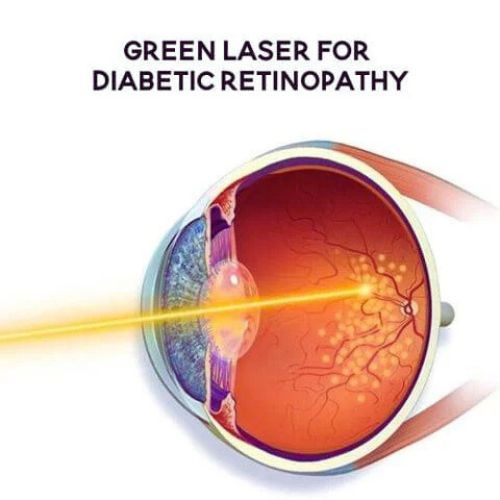
Laser treatment. In cases of proliferative diabetic retinopathy, where abnormal new blood vessels start growing on the retina, laser therapy is often used to control and prevent further vision damage. During the procedure, focused laser beams are applied to targeted areas of the retina to shrink these fragile vessels and reduce the risk of bleeding or retinal detachment. Laser treatment can also help stabilize certain cases of diabetic maculopathy by sealing leaking blood vessels and minimizing fluid accumulation in the central retina, thereby preserving and improving the patient’s vision over time.
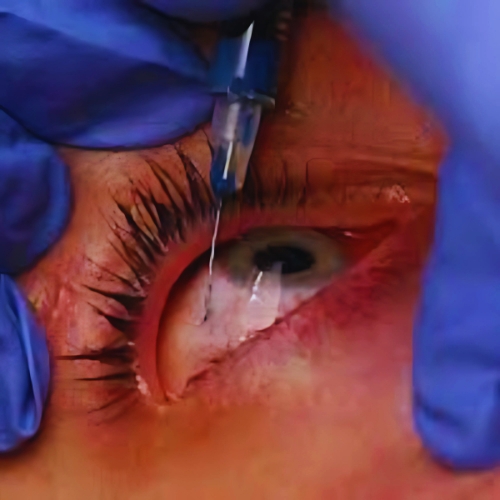
eye injection. For severe cases of diabetic maculopathy that threaten vision, ophthalmologists may recommend specialized eye injections. These injections typically contain medications, such as anti-VEGF drugs or steroids, which help reduce swelling, control abnormal blood vessel growth, and prevent further damage to the retina. By directly targeting the affected area inside the eye, these treatments can significantly improve or stabilize vision and are often used in combination with other therapies, such as laser treatment, for the best long-term results.
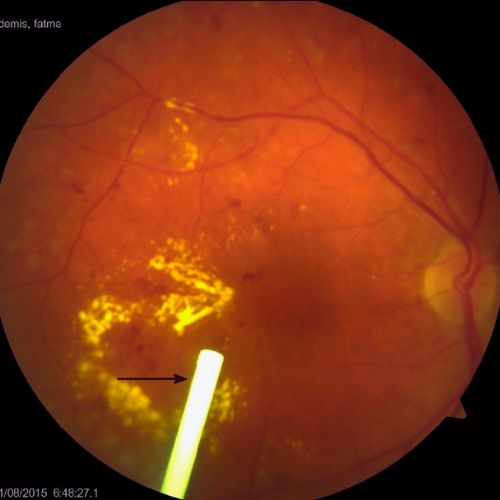
steroid eye implants. In cases of severe diabetic maculopathy where conventional eye injections are not suitable or have not provided sufficient improvement, steroid eye implants may be recommended. These tiny, slow-release implants are placed inside the eye to deliver medication directly to the retina over an extended period. The steroids help reduce inflammation, control swelling, and stabilize vision by targeting the damaged retinal tissue. This approach can be especially effective for patients who require long-term management of macular edema and offers an alternative when other treatments have been insufficient.
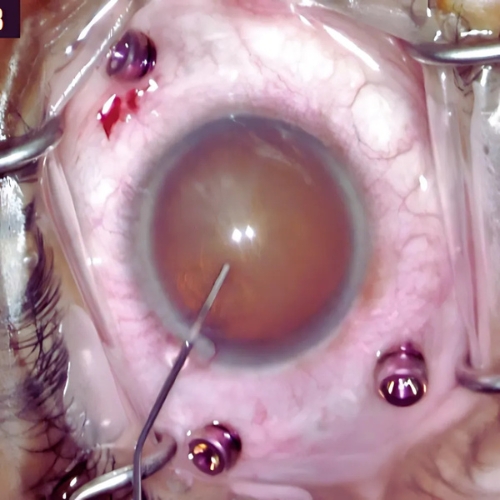
Eye surgery. In advanced cases of diabetic retinopathy, where laser treatment is not possible or effective due to extensive bleeding or scar tissue in the eye, surgical intervention may be necessary. This procedure, often referred to as vitrectomy, involves carefully removing the vitreous gel along with any blood, scar tissue, or membranes that are affecting the retina. By clearing these obstructions and stabilizing the retinal structure, the surgery helps prevent further vision loss, promotes healing, and provides the best chance of preserving or restoring sight in severely affected eyes.

Sarvdrishti Eye Hospital Pvt Ltd is a Bihar based chain of Super speciality eye hospitals serving in three cities of Bihar. It was established in 2018 with the mission of providing (Affordable & Excellent Eye Care) to the whole population of Bihar.

Contact Us

Near IC Honda, Rukanpura, Patna, Bihar - 800014

Call: +91 9264444460 (Patna Branch)

Call: +91 9128903497 (Gaya Branch)

Call: +91 9264444459 (Hajipur Branch)

Email: patnasarvdrishtieyehospital@gmail.com

©2026 Sarvdrishti Eye Hospital | All Rights Reserved